 IG
IG FOREX.com
 CMC Markets
 XTB
XTB eToro
eToro Capital.com
 AvaTrade
 XM
XM Pepperstone
 FP Markets
 Tickmill
 HFM Markets
Best Forex Brokers in Argentina for 2026
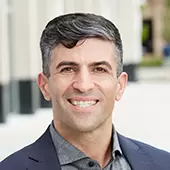
Written by Steven Hatzakis
Director of Online Broker Research

Edited by Jeff Anberg
Senior Editor

Fact-checked by Joey Shadeck
Research Analyst
Steven HatzakisDirector of Online Broker Research
Steven Hatzakis is the Global Director of Online Broker Research for ForexBrokers.com. He is a forex industry expert and an active fintech and crypto researcher.


 Why you can trust us
Led by Steven Hatzakis, Global Director of Online Broker Research, the ForexBrokers.com research team collects and audits data across more than 100 variables. We analyze key tools and features important to forex and CFD traders and collect data on commissions, spreads, and fees across the industry to help you find the best broker for your needs.
We also review each broker’s regulatory status; this research helps us determine whether you should trust the broker to keep your money safe. As part of this effort, we track 100+ international regulatory agencies to power our proprietary Trust Score rating system.
Our researchers open personal brokerage accounts and test all available platforms on desktop, web, and mobile for each broker reviewed on ForexBrokers.com. Learn more about how we test.
The best forex brokers in Argentina in 2026 are IG, Interactive Brokers, and CMC Markets. They stand out for their Tier-1 regulation, strong trading platforms, and full support for Argentine residents.
Here's the situation every Argentine trader faces: forex trading is legal, but Argentina's securities regulator, the Comisión Nacional de Valores (CNV), does not license retail spot forex brokers. No local firm offers leveraged currency trading. That makes your choice of international broker the single most important decision you'll make, because your protection comes entirely from your broker's home regulator. It's why I rank Tier-1 oversight and our Trust Score above everything else.
The timing has never been better. When the government lifted the cepo cambiario for individuals in April 2025, it ended more than a decade of strict dollar controls. Funding an account abroad is now easier than it has been in years, and a dollarized trading account offers protection from peso devaluation that locals know all too well.
I designed this guide to be your roadmap through a complex, rapidly evolving market. Keep scrolling for my reviews of the top forex brokers for Argentina, side-by-side comparisons, and vital information about regulation, funding mechanics, and your tax obligations to ARCA.
Best Forex Brokers in Argentina for 2026
How we tested
Led by Steven Hatzakis, Director of Online Broker Research, the ForexBrokers.com research team collects thousands of data points across hundreds of variables. We evaluate features important to every kind of forex trader, including beginners and active traders. We carefully track data on international regulators, commissions, and spreads to rate forex brokers across our proprietary testing categories.
Our researchers open personal brokerage accounts and test all available platforms on desktop, web, and mobile for each broker reviewed on ForexBrokers.com. Learn more about how we test.
How Steven chose the best forex brokers in Argentina
When I analyzed the forex market for Argentine residents, the regulatory gap was the easy part. The CNV supervises the capital markets, but it does not license retail forex or CFD brokers, and no local firm legally offers leveraged currency trading. That story repeats across Latin America. What sets Argentina apart is its history of currency controls. The cepo cambiario restricted access to dollars for over a decade, and although it was lifted for individuals in April 2025, its legacy still shapes how every trader here moves money. So my job was twofold: find the international brokers that safely fill the licensing gap, and figure out which ones actually work with Argentina's funding realities.
Those realities are unlike anywhere else I cover. Many Argentine traders fund accounts with USDT bought on local exchanges, or move dollars abroad through MEP and CCL operations rather than a simple bank wire. So I checked which brokers support crypto deposits, which accept international transfers without friction, and what exchange rate you actually get when converting pesos. The spread between the official rate and the rate a payment processor applies can quietly eat into your deposit. Account currency matters too. Most accounts are denominated in dollars, which doubles as protection from peso devaluation. One more thing belongs on your radar. Argentina taxes worldwide income, gains from foreign brokers fall under the progressive Ganancias scale, and ARCA increasingly sees offshore accounts through automatic information exchange. The reporting burden sits with you.
I also got hands-on with the platforms themselves. These ranged from Interactive Brokers' powerful Trader Workstation down to streamlined setups like XTB's xStation 5. I wanted to see whether features like cloud syncing held up in practice. Drawing a trendline on the desktop and having it appear instantly on your phone sounds simple, but it has to work under live trading conditions. Finally, I vetted every contender against the CNV's public investor alerts, Argentina's warning list for unauthorized firms. That step matters here, given the country's painful history of forex-linked Ponzi schemes.
| Company | Accepts AR Residents | Average spread (EUR/USD) - Spread-only account | Minimum Deposit | Overall Rating |
 IG IG
|
0.91 | £1 |
|
|
 Interactive Brokers Interactive Brokers
|
N/A | $0 |
|
|
 XTB XTB
|
1.06 | $0 |
|
|
 eToro eToro
|
1 | $50-$10,000 |
|
|
 Capital.com Capital.com
|
0.7 | $20 |
|
|
 Pepperstone Pepperstone
|
1.1 | $10 |
|
|
 FP Markets FP Markets
|
1.3 | $0 |
|
|
 FxPro FxPro
|
1.44 | $100 |
|
|
 IC Markets IC Markets
|
0.8 | $200 |
|
|
 BlackBull Markets BlackBull Markets
|
1.16 | $0 |
|
|
 Tickmill Tickmill
|
1.70 | $100 |
|
|
 HYCM (Henyep Capital Markets) HYCM (Henyep Capital Markets)
|
1.3 | $20 |
|
|
 HFM HFM
|
1.8 | $0 |
|
|
 ActivTrades ActivTrades
|
1.08 | $0 |
|
|
 Questrade Questrade
|
0.8 or higher | $0 |
|
|
 Eightcap Eightcap
|
1.0 | $100 |
|
|
 Libertex Libertex
|
N/A | $10 |
|
|
 PU Prime PU Prime
|
1.3 | $50.00 |
|
|
 Fusion Markets Fusion Markets
|
0.91 | $0.00 |
|
CFDs are complex instruments and come with a high risk of losing money rapidly due to leverage. Between 51% and 89% of retail investor accounts lose money when trading CFDs. You should consider whether you understand how CFDs work and whether you can afford to take the high risk of losing your money.
The Comisión Nacional de Valores (CNV)
The Comisión Nacional de Valores (CNV) regulates Argentina's capital markets and licenses local intermediaries known as ALyCs under Law 26.831, but it does not license or regulate retail forex or CFD brokers. The foreign exchange market itself falls under the Banco Central de la República Argentina (BCRA), which oversees currency operations rather than retail trading platforms. Neither body has built a framework for leveraged forex, leaving oversight to the regulator in each broker's home country. Learn more about international forex regulation and why it's important.
Because no local forex licence exists, no broker can be "CNV-regulated" for forex, and any firm that claims to be should be treated with caution. To protect investors, the CNV instead publishes public investor alerts against unauthorized firms and maintains an official register of licensed agents. The BCRA has also referred fraudulent trading schemes to prosecutors. Before funding any account, confirm your chosen broker is regulated by a Tier-1 authority abroad, such as the UK's FCA, Australia's ASIC, or Cyprus's CySEC, and check the specific entity that will hold your account, since some brokers serve Latin American clients through offshore subsidiaries with weaker oversight.
Compare Argentine Brokers
Popular Forex Guides
- Best Brokers for TradingView for 2026
- Best Forex Brokers for Beginners of 2026
- Compare Forex Brokers
- Best Low Spread Forex Brokers for 2026
- International Forex Brokers Search
- Best Copy Trading Platforms for 2026
- Best Forex Brokers for 2026
- Best Forex Trading Apps for 2026
- Best MetaTrader 4 (MT4) Brokers for 2026
More Forex Guides
- Best MetaTrader 4 (MT4) Brokers for 2026
- Best Brokers for TradingView for 2026
- Best High-Frequency Trading Software for 2026
- Best Forex Options Brokers for 2026
- Best Forex Day Trading Platforms for 2026
- Best MetaTrader 5 (MT5) Forex Brokers for 2026
- Best Market Maker Brokers in 2026
- Best Forex Signal Providers for 2026
- Best CFD Trading Platforms for 2026
- Best Forex Brokers with APIs for 2026
- Best Trading Platforms for Mac Users of 2026
- Best Algo Trading Software for 2026
- Best Forex Demo Accounts for 2026
- Best Free Forex Trading Courses for 2026
- Best Brokers that Use TipRanks in 2026
- Best Crypto Brokers for 2026
- Best High-Leverage Forex Brokers for 2026
- Best PayPal Forex Brokers for 2026
Forex Risk Disclaimer
There is a very high degree of risk involved in trading securities. With respect to margin-based foreign exchange trading, off-exchange derivatives, and cryptocurrencies, there is considerable exposure to risk, including but not limited to, leverage, creditworthiness, limited regulatory protection and market volatility that may substantially affect the price, or liquidity of a currency or related instrument. It should not be assumed that the methods, techniques, or indicators presented in these products will be profitable, or that they will not result in losses. Read more on forex trading risks.
About the Editorial Team
Steven Hatzakis is the Global Director of Online Broker Research for ForexBrokers.com. Steven previously served as an Editor for Finance Magnates, where he authored over 1,000 published articles about the online finance industry. A forex industry expert and an active fintech and crypto researcher, Steven advises blockchain companies at the board level and holds a Series III license in the U.S. as a Commodity Trading Advisor (CTA).
Jeff Anberg is a Senior Editor at ForexBrokers.com. Along with years of experience in media distribution at a global newsroom, Jeff has a versatile knowledge base encompassing the technology and financial markets. He is a long-time active investor and engages in research on emerging markets like cryptocurrency. Jeff holds a Bachelor’s Degree in English Literature with a minor in Philosophy from San Francisco State University.
Joey Shadeck is a Content Strategist and Research Analyst for ForexBrokers.com. He holds dual degrees in Finance and Marketing from Oakland University, and has been an active trader and investor for close to ten years. An industry veteran, Joey obtains and verifies data, conducts research, and analyzes and validates our content.